Source Non-Woven Oxidation Resistant Geotextile for Roads Mines Water
Find 30 listings for non-woven oxidation resistant geotextile suitable for water conservancy, electricity, and road projects. Buyers can compare specifications like width, weight, and material to select the right solution for filtration and waterproofing needs.
Key considerations
Products List

Oxidation Resistance Corrosion Resistant Customized Non Woven Fabric Nonwoven Geotextile
$0.19 - $1.99
MOQ: 1000 Square Meters


Durable Nonwoven Geotextile with Superior Flexibility and Resistance
$0.10 - $2.30
MOQ: 1000 Square Meters


Insulation Non-Woven Non Woven Geotextile for Reinforcement Nonwoven Fabric with Low Price
$0.25 - $1.65
MOQ: 1000 Square Meters

High-Quality Nonwoven Geotextile for Corrosion Resistance and Durability
$0.25 - $1.65
MOQ: 1000 Square Meters


Non-Woven Geotextile for Keeping Stability of Water Conservation Project
$0.10 - $0.16
MOQ: 1000 Square Meters


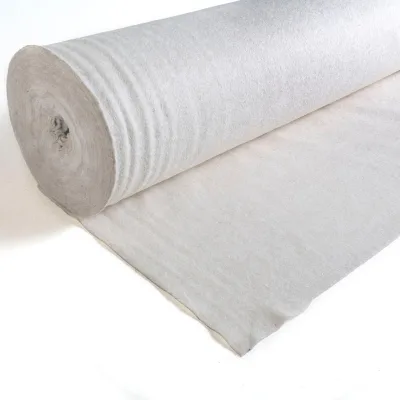


Multifunctional Nonwoven Geosynthetic Geotextile for Foundation Reinforcement and Pavement Layers
$0.25 - $2.27
MOQ: 1000 Square Meters


Geotextile Non Woven Geotextile (100gr/m2) Polyester Non Woven Fabric
$0.21 - $0.68
MOQ: 1000 Square Meters


Comprehensive Sourcing Guide
Strategic Sourcing Guide for Non-Woven Oxidation Resistant Geotextiles
Procuring non-woven oxidation resistant geotextiles requires a disciplined approach that balances technical performance with supply chain reliability. These materials are critical infrastructure components used in water conservancy, electricity, mines, and road construction. The primary function of these geotextiles is to provide filtration, separation, and drainage while maintaining structural integrity under harsh environmental conditions. Buyers must navigate a complex landscape of material properties, certification requirements, and customization options to ensure the selected product meets specific project demands. This guide outlines the essential factors for evaluating suppliers and specifications for non-woven geotextiles, focusing on the critical attribute of oxidation resistance.
Technical Specifications and Material Composition
The foundation of a successful procurement strategy lies in understanding the precise technical specifications of the non-woven geotextile. The core material for these products is typically Polypropylene (PP), which offers inherent chemical stability. Some variations may utilize Polyethylene Terephthalate (PET), though PP remains the dominant choice for applications requiring high resistance to oxidation and corrosion. The manufacturing process for these materials is predominantly spun-bonded, creating a fabric structure that ensures good flexibility, permeability, and filtration capabilities.
When evaluating product data, buyers should look for specific weight ranges and dimensions that align with project engineering requirements. The weight of the geotextile is a primary indicator of its strength and durability, with observed ranges spanning from 10 to 200 grams per square meter (GSM) for general applications, while heavy-duty industrial variants can reach up to 1500g/M2. The physical dimensions are equally critical; widths typically range from 1 to 6.5 meters, with some specifications noting standard widths of 3 meters, 4 meters, or 6 meters, or custom requirements. Lengths are often standardized at 50 meters or 100 meters per roll, though customization is frequently available.
The physical structure of the fabric also plays a role in performance. The product is often described as having a "dot" pattern or a specific non-woven texture that enhances its mechanical properties. The color is typically white, which can be an indicator of the raw material purity, though dyed options exist for specific identification needs. The packing method is another technical detail to verify; products are commonly packed in rolls, sometimes within inner PE bags and outer PP woven bags to prevent damage during transit. Understanding these baseline specifications allows buyers to filter out products that do not meet the fundamental engineering criteria for their specific application.
Compliance, Certification, and Standard Verification
In the B2B procurement of geotextiles, compliance with international and regional standards is non-negotiable. The presence of certifications such as CE indicates that the product meets European safety, health, and environmental protection requirements. However, buyers must verify that the certification is current and applies specifically to the batch or model being purchased. Beyond CE, the industry often references specific standards such as ASTM or BS (British Standards) for geotextile testing and classification.
When reviewing supplier documentation, it is essential to confirm that the product adheres to the relevant standard for the intended application. For instance, standards may dictate specific tensile strength, puncture resistance, or permeability values. The provided data mentions standards ranging from 80-1000g and 100g/M2 to 1500g/M2, which likely refer to mass per unit area classifications rather than a single universal standard. Buyers should not assume that a product labeled with a standard number automatically meets the specific performance criteria of their project. Instead, they must request the specific test reports that demonstrate compliance with the relevant ASTM or BS standard for the specific weight and type of geotextile required.
Furthermore, the origin of the product is a key compliance factor. Many high-quality geotextiles originate from manufacturing hubs in Shandong, China, where the industry has established significant capacity. Verifying the origin ensures that the supply chain is transparent and that the product meets the regulatory requirements of the importing country. Buyers should also check for any additional certifications related to environmental safety, such as eco-friendly status or anti-bacterial properties, which may be relevant for specific applications like water filtration or agricultural use.
Cost Drivers and Pricing Dynamics
The pricing of non-woven oxidation resistant geotextiles is influenced by several variables, including material costs, production volume, and customization requirements. The observed price range for these products can vary significantly, typically falling between $0.10 and $2.30 USD per unit, depending on the weight, width, and specific technical specifications. Heavier geotextiles with higher GSM ratings generally command higher prices due to the increased material usage and energy required for production.
Minimum Order Quantity (MOQ) is another critical cost driver. While some suppliers may offer low MOQs as low as 2 units for sampling or small projects, standard industrial orders often require a minimum of 1000 square meters. This threshold is designed to ensure production efficiency and cost-effectiveness for the manufacturer. Buyers planning large-scale infrastructure projects should anticipate meeting these volume thresholds to secure competitive pricing. Conversely, smaller orders may incur higher per-unit costs or require special handling fees.
Customization is a significant factor in pricing. The ability to tailor the product to specific project needs, such as custom widths, lengths, or weights, adds value but also increases the cost. Suppliers offering "Project Solution Capability" including graphic design and 3D model design can help optimize the product fit, potentially reducing waste and installation costs. However, these value-added services may come with a premium. Buyers must balance the cost of customization against the long-term benefits of a product that fits the project perfectly, reducing the risk of failure or the need for replacement.
Typical Applications and Performance Requirements
Non-woven oxidation resistant geotextiles are versatile materials used across a wide range of industries. The primary applications include water conservancy, electricity generation, mining operations, and road construction. In water conservancy projects, these geotextiles serve as filters and separators, preventing soil erosion while allowing water to pass through. Their oxidation resistance is crucial in these environments, where exposure to UV radiation and chemical agents can degrade standard materials over time.
In the mining sector, geotextiles are used for drainage and stabilization, protecting the integrity of tailings dams and waste containment areas. The corrosion-resistant and wear-resistant properties of these materials make them ideal for harsh mining environments. Similarly, in road construction, they provide separation between different soil layers, preventing the mixing of fine and coarse aggregates, which can lead to road failure. The high permeability and filtration capabilities ensure that water is drained effectively, reducing hydrostatic pressure and maintaining road stability.
Other applications include insulation and waterproofing in various construction projects. The material's ability to resist oxidation, corrosion, and wear ensures long-term performance in these demanding roles. Buyers should match the specific application requirements with the product's feature set, such as anti-static, anti-tear, or anti-bacterial properties, to ensure the selected geotextile can withstand the specific environmental stresses of the project site.
Supplier Evaluation and Production Capacity
Selecting the right supplier is as important as selecting the right product. Buyers should evaluate suppliers based on their production capacity, which is a strong indicator of their ability to meet large-scale project deadlines. A supplier with a daily capacity of 20,000 square meters demonstrates robust manufacturing capabilities and the potential to handle significant order volumes without compromising quality.
The supplier's location is also a factor to consider. Many reputable manufacturers are located in Shandong, China, a region known for its advanced textile and geosynthetic manufacturing infrastructure. Proximity to the manufacturing hub can reduce lead times and shipping costs, although international shipping logistics must be carefully managed. Buyers should also assess the supplier's after-sales service capabilities, including online technical support and the availability of free spare parts. These services are vital for addressing any issues that may arise during installation or operation.
Additionally, the supplier's willingness to accept OEM (Original Equipment Manufacturer) orders and provide customization is a key differentiator. Suppliers that offer free samples allow buyers to test the product quality before committing to a large order. This practice reduces the risk of purchasing substandard materials and ensures that the product meets the specific requirements of the project. Buyers should also verify the supplier's experience in providing project solution capabilities, such as graphic design and 3D model design, which can add significant value to the procurement process.
Quality Control and Long-Term Procurement Considerations
Ensuring the quality of non-woven oxidation resistant geotextiles requires a rigorous quality control process. Buyers should insist on detailed test reports that verify the product's compliance with the relevant standards and specifications. Key quality metrics include tensile strength, puncture resistance, permeability, and oxidation resistance. The material's ability to resist oxidation is particularly important, as it directly impacts the long-term durability of the geotextile in harsh environments.
Long-term procurement considerations involve building a sustainable relationship with the supplier. This includes establishing clear communication channels, defining quality expectations, and setting up a framework for continuous improvement. Buyers should also consider the total cost of ownership, which includes not only the purchase price but also installation costs, maintenance, and the potential cost of replacement if the product fails prematurely. By selecting a high-quality, oxidation-resistant geotextile from a reputable supplier, buyers can minimize these long-term costs and ensure the success of their infrastructure projects.
In conclusion, sourcing non-woven oxidation resistant geotextiles requires a comprehensive understanding of technical specifications, compliance requirements, cost drivers, and supplier capabilities. By carefully evaluating these factors, buyers can make informed decisions that ensure the selection of high-quality materials that meet the specific needs of their projects. The focus on oxidation resistance, combined with rigorous quality control and supplier evaluation, will lead to successful outcomes in water conservancy, mining, road construction, and other critical applications.
FAQs
What material is used for non-woven oxidation resistant geotextiles?
The primary material is Polypropylene (PP), though some variants use PET. This composition ensures inherent chemical stability and resistance to oxidation and corrosion in harsh environments like mines and water conservancy projects.
Which certifications apply to these geotextile products?
Products often carry CE certification indicating compliance with European safety standards. Buyers should also verify adherence to specific standards like ASTM or BS for tensile strength and permeability required by their specific infrastructure projects.
How can I customize the dimensions of the geotextile rolls?
Customization is available for width ranging from 1 to 6.5 meters and lengths of 50 or 100 meters. Suppliers also offer project solution capabilities including 3D model design to ensure the product fits specific engineering requirements.
What is the typical minimum order quantity for industrial orders?
Standard industrial orders typically require a minimum of 1000 square meters. While samples are free and some small orders may start at 2 units, bulk pricing and production efficiency are optimized at the higher volume threshold.
Can I get free samples before placing a large order?
Yes, free samples are available for testing product quality and specifications. This allows buyers to verify the material properties like weight range and permeability before committing to the standard minimum order quantity of 1000 square meters.
Where are these geotextile manufacturers primarily located?
Manufacturers are predominantly located in Shandong, China, a hub for textile and geosynthetic production. This location supports a daily production capacity of 20,000 square meters, ensuring reliable supply for large-scale infrastructure projects.
What after-sales support is provided for these products?
Suppliers offer online technical support and provide free spare parts to assist with installation and maintenance. This service ensures long-term project success and helps address any issues related to the geotextile's performance in the field.